

Hello everyone –
My name is Katelyn and I have inflammatory bowel disease (IBD). More specifically, I have Crohn’s Disease.
I was diagnosed with perianal Crohn’s disease after 9 years struggling with symptoms. Perianal Crohn’s disease is a form of IBD that causes inflammation throughout the intestines and the anal canal. It causes abscesses, bleeding, fistulas, fissures, and strictures.
For World IBD Day, I want to talk about what IBD is.
Inflammatory Bowel Disease is a group of disorders that cause inflammation in the GI tract. The two types of IBD are Crohn’s disease and ulcerative colitis, and the main difference between the two is the location of the inflammation in the GI tract.
IBD is also an autoimmune disease, meaning the body’s immune system attacks healthy tissues. Doctors don’t know what causes IBD, but they believe environment and genetics play a part.
Symptoms that someone with IBD might experience include nausea, diarrhea, abdominal pain, blood in stool, fatigue, fever, and weight loss. There is currently no cure for IBD, only treatments, such as medications and surgeries.
If you or someone you know has been diagnosed with IBD, just know that you are not alone. There are thousands of others with similar stories and experiences. Together, we can end the stigma surrounding IBD and chronic illnesses.
If you would like to donate to Crohn’s and Colitis Canada, you can visit my personal page: Katelyn Morin gutsywalk.ca
Donations go toward patient programs and finding a cure for IBD. You can participate in the Gutsy Walk in your local area on Sunday June 4, 2023 to help raise funds and awareness. On behalf of everyone with IBD, we thank you for your support.
If you want to follow some Social Media pages on IBD, here are some of my favourite: @getgutsycanada and @ibdgirls – both helped me find community within the IBD world.
Katelyn’s Bio:
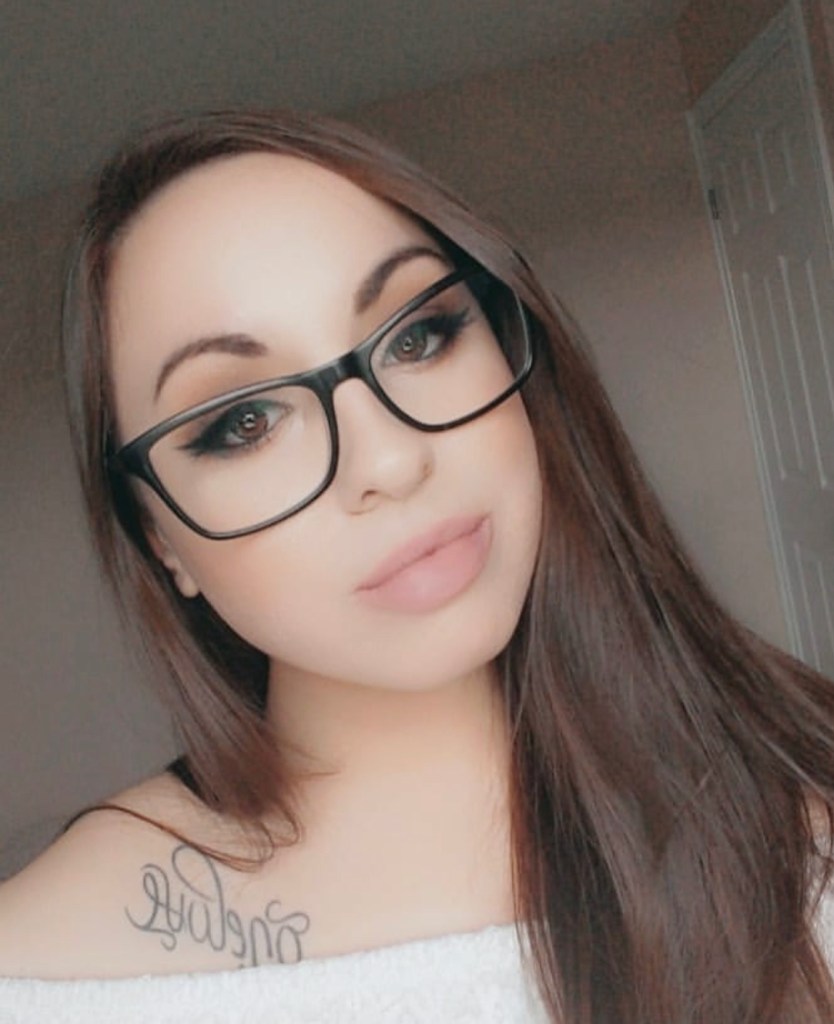
My name is Katelyn Morin and I am 27 years old. I was diagnosed with moderate to severe Crohn’s disease in 2021, after years of experiencing many alarming symptoms. Some of these symptoms include severe stomach cramping, diarrhea, bloody stool, frequent bowel movements, anal abscesses and fistulas. As you may know, there is currently no cure for IBD but there are treatment options to help improve the quality of life of patients. Treatments include medications, surgery, diet and lifestyle changes. When it comes to my personal treatment plan, it involves all of the options listed above. Once every 6 weeks I get I.V therapy. It is a strong anti-inflammatory medication (biologic) that is administered by a registered nurse through an I.V. I also get my bloodwork taken at the same time, which allows my specialist to monitor my disease. Additionally, I get monthly vitamin B12 injections due to my body’s inability to absorb vitamins through food. Lastly, surgeries and procedures are required at my stage of Crohn’s disease. Since I was 21 years old I have had 4 surgeries, 8 imaging tests and over 10 hospital visits. Despite all of this, including diet and lifestyle changes, I am unfortunately still in a “flare” and experiencing symptoms of my disease everyday.program at Laurentian University and I now work as a Chiropodist assistant for a woman owned Chiropody clinic. When I’m not working or volunteering with Crohn’s and Colitis Canada you can find me reading, camping or collection rocks along the shore of Lake Huron.
 periods in pain