
For nineteen years, I knew something wasn’t right.
Every day, waking up and just rolling with my very own special version of “normal”.
My special version of normal included (but was not limited to): impromptu fetal positions on the shower floor, sharp breaths in the grocery line, dubious family holidays, wincing any time a partner touched me, scoldings by my employers, and friends ditching me altogether because they were tired of me bailing on our plans. It also included a lot of ultrasound jelly, and doctors shrugging their shoulders. Nineteen years until I got referred to a specialist and finally had a diagnosis: stage IV
Endometriosis.
With my diagnosis (and in tandem, excision surgery), I felt a myriad of things.
I felt relieved, because I finally had an answer to my pain – something I could research, keep track of, and learn to cope with (at the very least). I felt angry, because it took that long to dial in on what the hell was wrong with me. I felt vindicated, validated, and very much the need to wag my finger in my doctors’ faces and say, “I told you so!” Now, I can cope with the pain on most days, and I can mark on the calendar when I might expect a flare. I keep my handy-dandy heating pad under my desk at work, have Ibuprofen at the ready, and know which food and activity to avoid.
Even in having a name for it, and doing all the “right” things to cope with expected symptoms, I continue to struggle. Endometriosis has bled into so many avenues of my life, and it’s one Hell of a mental health cleanup to keep up with. Mental health within the endometriosis world is not talked about enough. Yes, it’s a painful disease, but it goes so much further than just the physical symptoms.
Body Image
Endometriosis is a tricky little bastard, and can really mess with self-image. Bloating is a major factor, and is experienced by most people with endometriosis – it’s known as “endo belly”. Inflammation can cause the belly to distend, almost mimicking a pregnant belly. Not only is it uncomfortable, but it basically requires its own wardrobe. You can plan to wear those cute jeans all you want, but endo belly has other plans. Having such a loss of control of the way our bodies look and feel can cause us to feel so outside of ourselves, and even just showering or passing by a mirror can be harrowing.
Relationships With Loved Ones
“I’m not feeling well. Can we reschedule?” This is all too familiar for those with endometriosis. Making plans is easy, but sticking to them is difficult. Flare-ups can happen at any point, and we can’t always rely on feeling well enough to leave the house and socialize. Having to consistently cancel or reschedule plans can make us seem like we’re not interested in maintaining friendships or relationships, and can cause loved ones to give up on trying. In romantic relationships and with family, it’s not uncommon to feel misunderstood and oftentimes burdensome. It’s natural for people to throw in the towel when they’ve been blown off countless times, and for us, it’s heartbreaking to watch our relationships fade and to have little control of the matter.
Education and Career
Showing up to work and school are responsibilities that we all have, but cannot always commit to. It’s incredibly difficult for those with endo to maintain their education and career due to chronic pain and fatigue. Whether we have to call out of work or skip class due to a flare, work less hours, or require extensions, it makes us seem like we don’t care, or don’t have a good work ethic. The reality of it is that employers do get frustrated with their employees that can’t show up when they’re expected to, and we always feel the stress and disappointment of that.
It’s not uncommon for those with endo to lose their jobs, entire career paths, have failing grades, or have to drop classes due to their inability to carry out their commitments because of chronic pain.
Intimacy
Juggling a romantic relationship and endometriosis is a struggle. A common symptom of endo is painful sex, and it’s difficult to navigate, even with the strongest communication. When we associate sex with pain, it can cause loss of all physical intimacy within a relationship, and even sexual trauma. Losing this level of connection with a partner can be extremely heartbreaking, and can destroy relationships altogether – present and future.
Medical Trauma Dismissal from medical professionals is extremely common for those with endometriosis. On average, it takes about seven to ten years to acquire a diagnosis, and for many, far more. For menstruating women especially, we’re told that the pain and distress we experience from our cycle is “normal”, and that the symptoms we’re describing are all in our heads. Getting to the point of a diagnosis (and even beyond) takes a lot of self advocating and arguing with medical teams, which can get incredibly exhausting and break our trust in healthcare.
Navigating mental health with a chronic condition isn’t easy, but it is possible. Personally, I find that attending regular behavioral therapy sessions is incredibly helpful. Being able to talk through my struggles with someone unbiased is freeing. Therapy unfortunately is not always accessible for everyone, but things like journaling or connecting with others who have shared experiences can be extremely helpful. There are loads of support groups and online communities that offer understanding, support, and friendship from others that just “get it”.
My social media page, No Spoons Society, was started with community in mind. I wanted to connect with others who understood my journey, as well as offering support and resources to those experiencing the same, or just starting on their own long journey. Turning to community has been my saving grace in all of this, and has connected me with so many lovely people (like PIP!). We vent, we learn together, we lift each other up, we grow together.
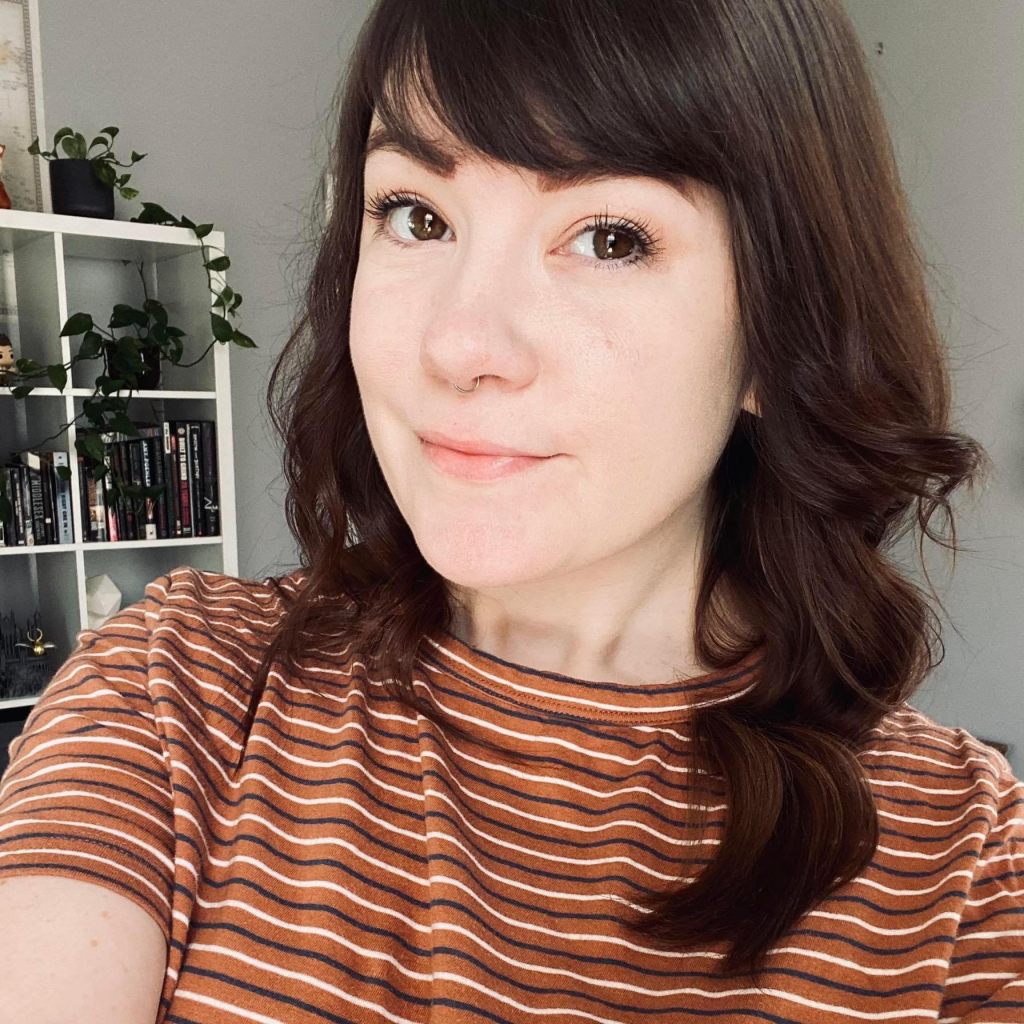
Renee Arenburg created her social media page, No Spoons Society, after 20 years of feeling like hot garbage. No Spoons Society was started with community in mind. She wanted to connect with others who understood her journey, as well as offering support and resources to those experiencing the same, or just starting on their own long journey. Turning to community has been her saving grace in all of this, and has connected her with so many lovely people. We vent, we learn together, we lift each other up, we grow together.
You can follow Renee on social media @no.spoons.society
 periods in pain