
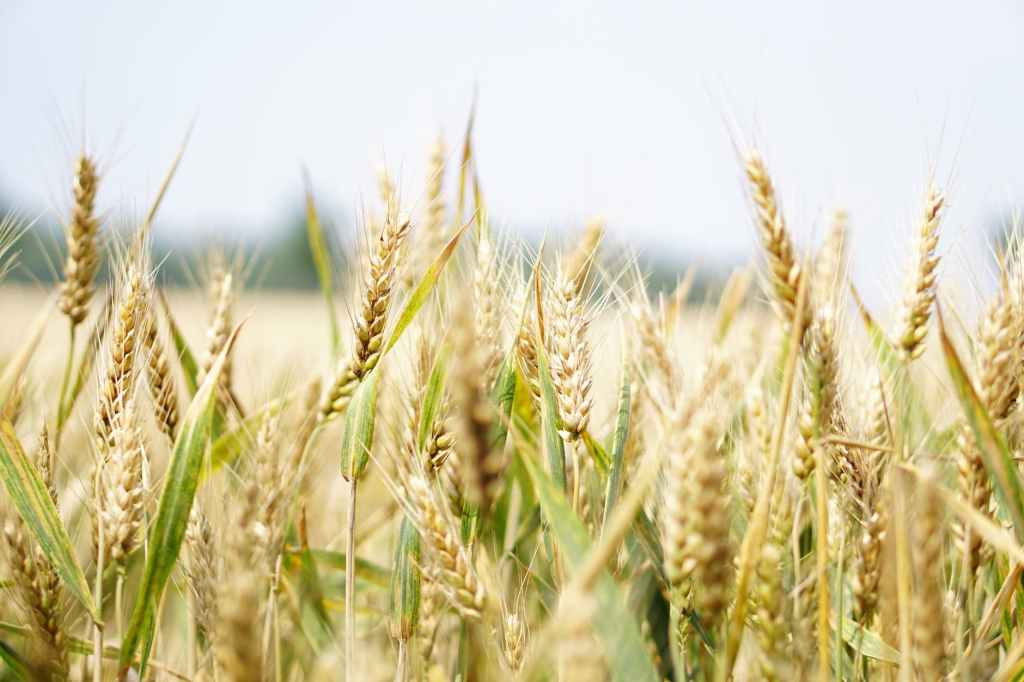
May is Celiac Awareness Month! As tomorrow is May 1, we wanted to dedicate a whole blog post to Celiac Disease.
Celiac disease is a serious autoimmune disease that occurs in genetically predisposed people where the ingestion of gluten causes damage in the small intestine. Celiac disease is estimated to affect 1 in 100 people worldwide, but only about 30%people are properly diagnosed.
What exactly is celiac disease?
When people with celiac disease eat gluten (which is a protein found in wheat, rye, and barley), their body has an immune response to attack the small intestine. This attack is not a normal response to gluten in the body, and so the attack on the small intestine leads to damage on the villi, which are small, fingerlike projections that line the small intestine, who’s job is to promote proper nutrient absorption. When the viilli get damaged, nutrients cannot be absorbed properly into the body.
Doctors and science now know that like most chronic illnesses and autoimmune disorders, celiac disease is hereditary, meaning that it can run in families. People with a first-degree relative with celiac disease (a parent, child, sibling) have a 1 in 10 risk of developing celiac disease themselves.
Celiac disease can develop at any age after people start consuming gluten. Left untreated, however, celiac disease can lead to additional serious health problems:
- Early onset osteoporosis or osteopenia
- Gall bladder malfunction
- Heart disease
- Infertility and miscarriage
- Iron deficiency anemia
- Lactose intolerance
- Liver failure
- Malnutrition
- Neurological symptoms, including attention-deficit/hyperactivity disorder (ADHD), headaches, lack of muscle coordination, seizures, ataxia, dementia, neuropathy, myopathy, and multifocal leucoencephalopathy
- Pancreatic insufficiency
- Small intestine cancer and non-Hodgkin lymphoma
- Vitamin and mineral deficiencies
What are symptoms of Celiac Disease?
Celiac disease affects people in very different ways, just like all other chronic illnesses. Some have symptoms as children, while others start to develop symptoms as adults. Some people have diarrhea and belly (abdominal) pain, while others may feel moody or depressed after ingesting gluten.
Common signs of celiac disease include:
- Constant (chronic) diarrhea or constipation
- Weight loss
- Gas
- Pale, bad-smelling stool
- Unexplained low blood count that makes you feel tired (such as anemia)
- Tingling, numb feeling in the legs
- Missed menstrual periods (linked to too much weight loss)
- Early osteoporosis or fractures
- Teeth changing color or losing their enamel
Common pain symptoms of celiac disease include:
- Stomach pain or swelling (bloating) that keeps coming back
- Muscle cramps or bone pain
- Pain in the joints
- Painful, itchy skin rash
How to get diagnosed
Celiac disease can be hard to diagnose as its symptoms can very often look like symptoms of other digestive problems such as:
- Crohn’s disease
- Irritable bowel syndrome
- Ulcerative colitis
- Infected colon (diverticulitis)
- Intestinal infections
- Small intestinal bacterial overgrowth (SIBO)
Tests your doctor will do to see if you have celiac include taking your symptoms and history, doing a physical exam and doing blood work and a biopsy.
Blood work. This is done to check the level of infection-fighting cells (known as antibodies) you have to gluten in your blood. People with celiac disease will have higher than normal levels of these cells than someone without celiac disease.
Biopsy. This is the most accurate way to tell if you have celiac disease. If this is done, a tissue sample (biopsy) is taken from your small intestine to check for damage to the villi. To do this, a long, thin tube (called an endoscope) is placed in your mouth, down your stomach and into your small intestine. A tissue sample is taken using tools passed through the tube, and the sample is then checked in a lab. If damage to the villi is found, then it is a clear indicator of celiac disease.
What do I do if I’m diagnosed with Celiac Disease?
First thing you must do if you are diagnosed with Celiac is that you must stop eating gluten. y Eating gluten will do more damage to your small intestine if you continue to consume it, and that can make you very ill. Eliminating gluten is the only treatment for this disease. You must not eat gluten for the rest of your life.
In most cases, taking gluten out of your diet will stop your symptoms. Further, when you stop eating gluten, any damage to your intestine that has already happened will most likely heal.
Removing gluten from your diet can be difficult for many reasons. Gluten can contaminate many foods at home and at restaurants. It can also be found in condiments, salad dressings, and other unexpected places, such as soap or even makeup. For this reason, your healthcare provider may refer you to a dietitian who specializes in Celiac who can help you figure out the world of gluten-free. Gluten free foods can also be expensive, so working with a professional may give you ideas and tips on how to navigate the grocery store and your wallet.
Periods in Pain is not medical advise. Always seek the advise and direction of your doctor.
References: https://celiac.org/about-celiac-disease/what-is-celiac-disease/ | https://www.hopkinsmedicine.org/health/conditions-and-diseases/celiac-disease
 periods in pain