
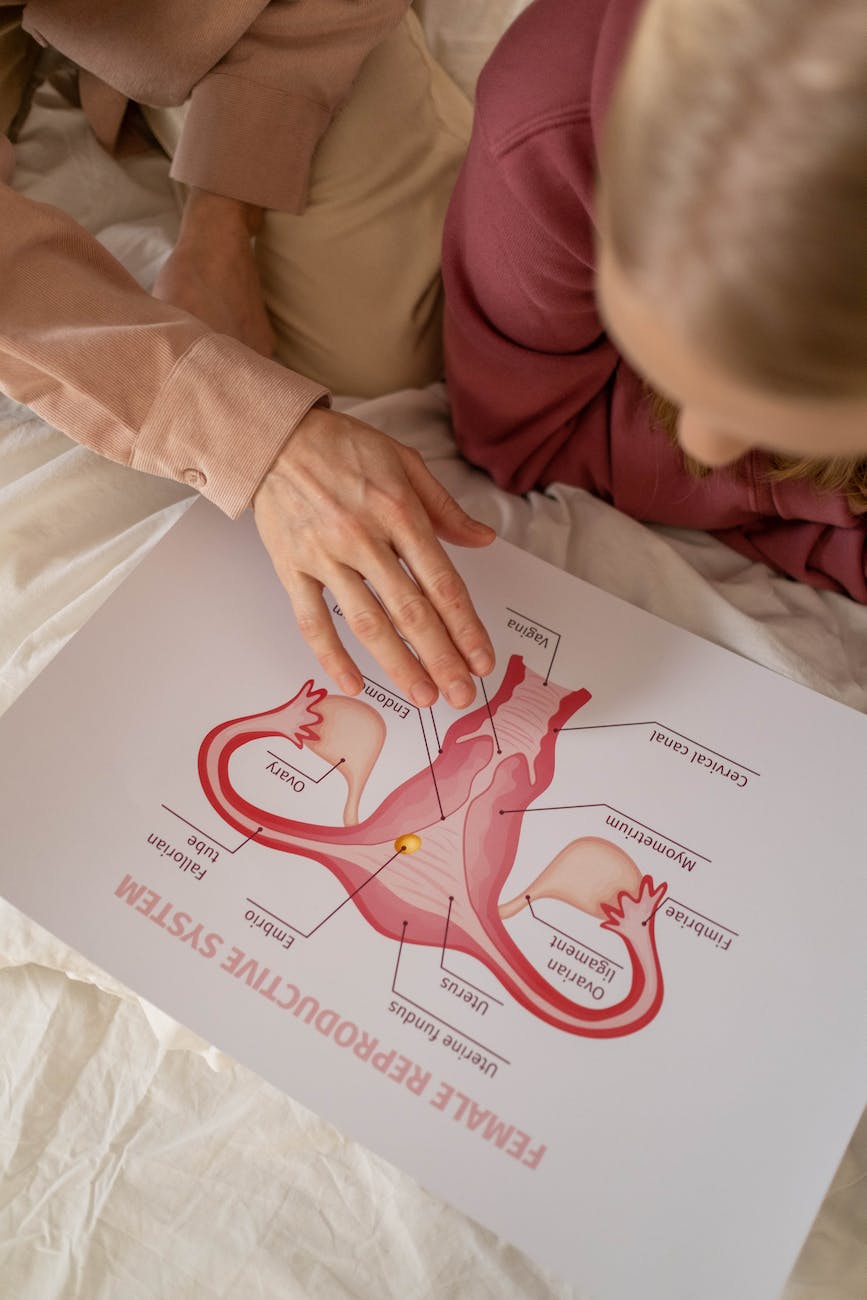
April is Adenomyosis Awareness Month! Adenomyosis is a common chronic illness that affects the uterus that majority of people have never heard of. Because of the similarities in physiology and impacts to the uterus, many patients and health-care practitioners could benefit from understanding the nuances between the two illnesses.
What is it?
While endo is the growth of tissue similar to the endometrium that lines the uterus throughout the pelvic organs and beyond, adenomyosis occurs when endometrial tissue itself grows into the muscle wall of the uterus.
Many women, girls, and gender diverse folks with uteruses have both conditions. In fact, one study found that adenomyosis was present in 1 of every 5 people with endo! That being said, they do exist independently.
At one point, when adeno and endo where thought to be one in the same, adenomyosis was called endometriosis interna, until the two were discovered to be pathologically and clinically different.
According to the Endometriosis Network Canada, for many years, the only definitive diagnosis of adenomyosis was found post-hysterectomy in perimenopausal women who experienced heavy bleeding, and was related to women who have given birth and were older in age. However, we now know that like endo, adenomyosis is present in people much younger and independent of childbirth, and contributes to distressing symptoms like severe pain and very heavy bleeding.
Symptoms
While some people with adeno will have no symptoms and go their entire lives not knowing they have adeno (like some with endo), majority have symptoms which can be mild to severe. Some common symptoms are:
· Severe menstrual cramps often described as ‘knifelike’
· Abdominal pressure and bloating
· Heavy, prolonged bleeding – including large clots or flooding
People may also notice painful sex or issues with fertility.
Diagnosis
With better imaging and medical science, it is possible to diagnose adenomyosis without surgery. Research has found that imaging techniques like transvaginal ultrasound and MRI have been successful in diagnosing adenomyosis, combined with clinical symptoms and a pelvic exam.
Sometimes, your doctor may take a sample of endometrial tissue to biopsy and rule out any other serious conditions. Like endometriosis, there is no known cause of adenomyosis.
Disease management
Disease management for adenomyosis can look similar to endometriosis, including anti-inflammatories to reduce blood flow and relieve pain; hormonal medications such as progestin-only types like an IUD, or GnRH agonists; artificial hormones that prevent natural ovulation can also be helpful for pain management.
There are more studies coming out that suggest cannabis may alleviate some symptoms, especially when inserted vaginally or taken orally. One study suggests there are fewer active cannabinoid receptors in those with adenomyosis, and regular use of medicinal cannabis can activate those receptors, providing more opportunity for symptom relief.
How it’s different from endo?
As it directly affects the uterus or no other organ, adenomyosis can cause the extreme abnormal or heavy bleeding that is often incorrectly associated with endo.
Unlike endometriosis, adenomyosis can be cured.
There is only way to cure it, though, which is hysterectomy, which is the removal of the uterus (ovaries can stay). This is because adeno only affects the uterine wall.
However, as the Endometriosis Network of Canada states, the decision to have a hysterectomy should never be taken lightly, and should always be presented to patients alongside the treatment options mentioned above.
Unfortunately, a hysterectomy is often touted as a cure for endometriosis, which it is not, as endometriosis occurs outside of the uterus.
References: https://pubmed.ncbi.nlm.nih.gov/25201608/ | https://endometriosisnetwork.com/blog/april-is-adenomyosis-awareness-month
 periods in pain