
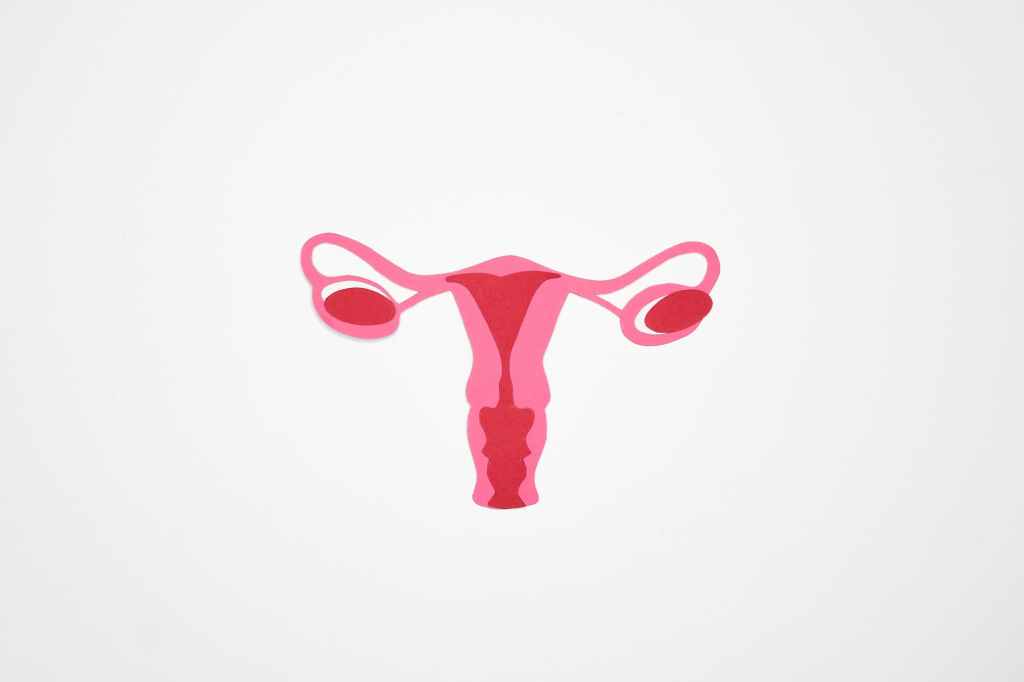
Throughout the human body, different growths can appear, such as cysts and tumors. When it comes to the uterus, these growths can take the form of cyst, polyps, and fibroids.
But what exactly are these growths? And what are the signs and symptoms of each?
For each of our growths that this blog post is going to explore, it’s important to note that while all are common in their symptom and pain free forms, there is no real explanation why they occur or how to prevent them. A lot of it comes down to genes and predisposition.
Like almost everything women’s health, your doctor (or the internet) may tell you that your weight, diet, and lifestyle has caused any of these growths, symptoms or pain. While we at pip aren’t saying proper food and body movement isn’t important to your overall health (it of course is), the amount of us with uteruses who are told to lose weight before getting any proper treatment is exponential. Those without a uterus are rarely told the same thing when pain and symptoms strike them. And as science currently stands, your weight, diet and lifestyle have no tangible, proved relation to developing ovarian cysts, uterine polyps, or uterine fibroids.
If you believe you have any of the following uterine growth, and are experiencing symptoms and pain, be sure to document all that you are experiencing and bring it with you to your doctor or to the hospital.
Ovarian Cysts
Let’s start with one of the more common growths: ovarian cysts.
Ovarian cysts are sacs, typically filled with fluid (though, not always), in an ovary or on the ovary’s surface, and can range in size from a few millimeters to centimeters. When an ovarian cyst develops, which is quite common for women of childbearing years, they typically cause little to no discomfort. In fact, the majority of those who have an ovarian cyst won’t know. These usually painless, common cysts are harmless, and most go away on their own without any treatment within a few months.
However, even these common, harmless cysts can cause pain and discomfort should the cyst become twisted, or rupture. They can also cause symptoms when they are very large in size.
Large ovarian cyst symptoms can include:
- Pelvic pain that may come and go
- A dull ache or a sharp pain on the side of the cyst (or across your low belly if you have bi-lateral ovarian cysts)
- Fullness, pressure or a heaviness in your low belly
- Bloating
If you believe you have a cyst and it is causing intense pain, discomfort, and/or welling, or you believe your cyst may have ruptured, seek medical attention and request a pelvic ultrasound and exam.
Seek immediate medical help if you have:
- Sudden, severe abdominal or pelvic pain
- Pain with fever and/or vomiting
- Signs of shock: these can include cold, clammy skin; rapid breathing; and lightheadedness or weakness
Now, what causes ovarian cysts?
Most ovarian cysts form as a result of your regular menstrual cycle. These are called functional cysts. Every month, your ovaries grow small cysts called follicles each month. Follicles produce the hormones estrogen and progesterone, which allows them to break open to release an egg when you ovulate.
There are two types of functional cysts:
Follicular cyst. Halfway through your menstrual cycle, an egg bursts out of its follicle. The egg then travels down a fallopian tube. A follicular cyst begins when the follicle doesn’t rupture. It doesn’t release its egg and continues to grow.
Corpus luteum cyst. After a follicle releases its egg, it shrinks and begins producing estrogen and progesterone. These hormones are needed for conception. The follicle is now called the corpus luteum. Sometimes, the opening where the egg came from gets blocked. Fluid builds up inside the corpus luteum, causing a cyst.
While most women will have an ovarian cyst at some point in their life, once you have one ovarian cyst, your likelihood of developing another increases. That being said, there’s no way to prevent ovarian cysts: there is also nothing you can do to cause one to develop.
Other Types of Ovarian Cysts
There are other types of ovarian cysts that are not related to menstrual cycles:
Dermoid cyst. Also called a teratoma, this cyst forms from reproductive cells that make the eggs in your ovary. Dermoid cysts can contain tissue, such as hair, skin or even teeth.
Cystadenoma. This type of cyst develops from the cells on the surface of your ovary. A cystadenoma may be filled with a watery, or a mucous material. A cystadenoma can grow very large.
Endometrioma. Endometriomas are large, blood-filled cysts, sometimes called chocolate cysts, that contain endometrial cells that are found lining the inside of the uterus. In endometriosis (see our post all about endometriosis here), this uterine lining grows outside of the uterus, and when this tissue attaches to the ovary endometriomas can form. Endometriomas typically occur in stage 3 or 4 endometriosis.
Uterine Polyps
Uterine polyps are growths that are attached to the inner wall of the uterus, and that expand into the uterus. Uterine polyps, also known as endometrial polyps, can form when cells in the uterine lining overgrow.
Uterine polyps are usually noncancerous (benign), although some can be cancerous or can turn into cancer.
Uterine polyps, like cysts, can range in size from a few millimeters to a few centimeters. There can be one polyp in your uterus, or many polyps present. They usually stay within the uterus, but they can slip through the opening of the uterus into the vagina.
Uterine polyps are most common in people who are going through or have completed menopause, however younger people who have yet to hit menopause can get them, too.
Signs and symptoms of uterine polyps can include:
- Vaginal bleeding after menopause
- Bleeding in between periods
- Frequent, unpredictable periods whose lengths and heaviness vary greatly
- Consistently very heavy periods
- Issues with infertility
However, not everyone who has a uterine polyp has symptoms: some may only have light bleeding or spotting while others are completely symptom-free.
Uterine polyps are estrogen sensitive, which is why they are more commonly seen if you are perimenopausal or menopausal.
Small polyps without symptoms typically resolve on their own, and treatment may be unnecessary if you are not at risk of developing uterine cancer. However, larger polyps, multiple polyps, and having multiple symptoms means your doctor may suggest hormonal medication to lessen the symptoms, or surgical removal of the polyp(s).
Uterine Fibroids
Uterine fibroids are noncancerous growths in the uterus, also called leiomyomas or myomas. Just like cysts and polyps, uterine fibroids also range in size, from what is call seedlings (so small they are undetectable by the human eye), to large masses that can actually distort and enlarge your uterus. Also like cysts and polyps, can have a single fibroid or multiple.
In extreme cases, having multiple fibroids can result in the expansion of your uterus so much that it reaches the rib cage and can add physical weight to your body.
Uterine fibroids will be present in most women’s lives at some point, though they likely will never know they have one unless it is present in a pelvic exam or ultrasound. However, there are times a fibroid (or having multiple fibroids) can cause pain and symptoms.
Symptoms can include:
- Heavy menstrual bleeding
- Menstrual periods lasting more than a week
- Pelvic pressure or pain
- Frequent urination
- Difficulty emptying the bladder
- Constipation
- Backache or pain spreading to the legs
Though rare, when a fibroid dies (outgrows its blood supply), it can cause acute pain.
Seek medical attention if:
- Your pelvic pain doesn’t go away
- You have consistent overly heavy, prolonged or painful periods
- You have spotting or bleeding between periods
- There is consistent difficulty emptying your bladder
- You have an unexplained low red blood cell count (anemia)
Seek immediate medical care if you have severe vaginal bleeding or sharp pelvic pain that comes on suddenly and has no other cause of explanation.
References: https://www.mayoclinic.org/diseases-conditions/ovarian-cysts/diagnosis-treatment/drc-20353411 | https://www.webmd.com/women/endometriosis/endometrial-cysts | https://www.mayoclinic.org/diseases-conditions/uterine-polyps/diagnosis-treatment/drc-20378713 | https://www.ncbi.nlm.nih.gov/pmc/articles/PMC6501471/ | https://www.mayoclinic.org/diseases-conditions/uterine-fibroids/symptoms-causes/syc-20354288
Periods in Pain does not constitute medical advice or diagnosis of any kind. If you or a loved one are experiencing period and/or cycle pain, please consult a doctor.
 periods in pain