
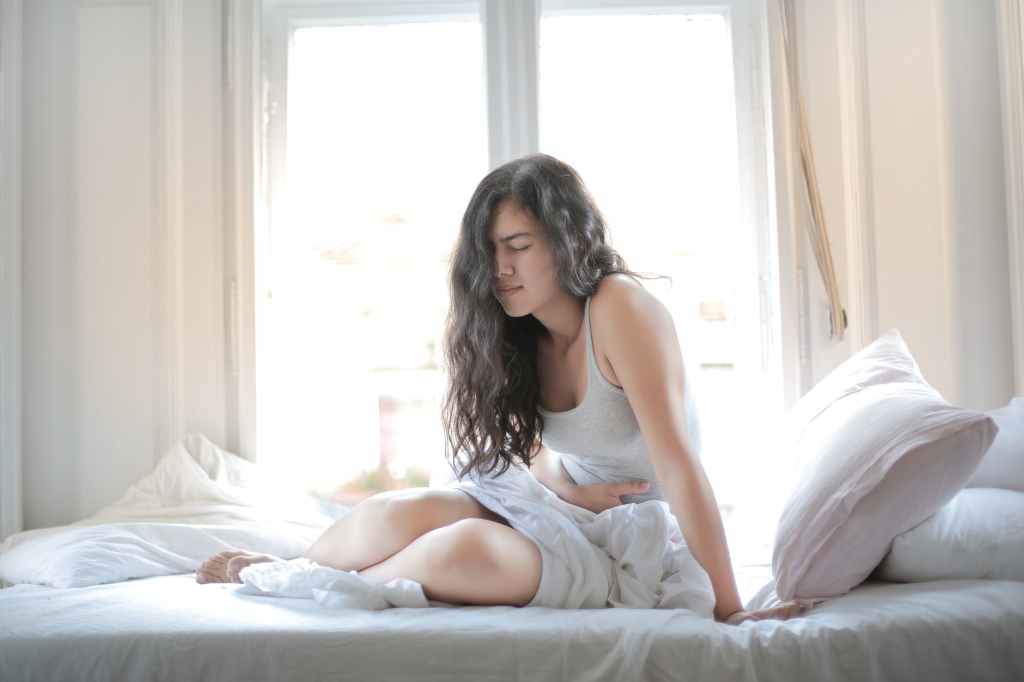
If you’ve read through pip’s blog so far, you’ll know that at pip, we are very much of the opinion that period pain is not normal. Whether you have endometriosis or have a perfectly healthy reproductive system, pain during menstruation has been normalized wrongfully so.
Menstrual cramping, known scientifically as dysmenorrhea, is defined as aa throbbing or cramping pain in the low abdomen. Dysmenorrhea can be different for each menstruator. You may experience it every period, or only once in a while. It can feel like a cramping or throbbing in your low belly that can be as small as an annoying cramp, and as bad as an intense throb. Dysmenorrhea can start 1 to 3 days before your period, and last throughout, or end somewhere near the middle. The pain can be a dull, continuous ache, and spread to your low back. Dysmenorrhea can also cause nausea, headache, dizziness, and GI/bowel issues. Period pain can also be a lot worse, spreading throughout the body and being a hot, throbbing debilitating pain.
As a society, we are conditioned to think that pain during our periods is normal: it’s something every menstruator just happens to have to deal with. We must therefore suck it up and deal with the pain. It also doesn’t help that so many in society view menstruation as something shameful and to be kept quiet, which can make the suffering of period pain that much more isolating.
As more research is focused on menstrual health, and people with uteruses speaking up about the pain’s intensity, however, we have started to learn that this conditioning isn’t the truth. Period pain is common, but it is by no means normal. In fact, it can be a sign of something much more than “a woman’s pain”.
I know what you may be thinking: the contracting of my uterus during my period is bound to cause some cramping, right?
Yes, that is true. As the uterus contracts during your period, it expels the thickened uterine lining. During this, prostaglandins, hormonelike substances in the body that trigger pain and inflammation, compel the uterus to contract. This can, of course, cause some pain and cramping in any person. The level, however, should be minor to unnoticeable if all is well and healthy in the body. Dysmenorrhea, as well as severe period pain, is very different than this pain and should be a signal to speak to a medical professional, but we have been conditioned to think all period pain is normal, even extremely severe pain.
This social conditioning has also resulted in us thinking that monthly pain shouldn’t impact or impede our days. There has been worldwide dismissing of the pain so many of us experience during our period. We are told to take an Advil and get on with our day. Meanwhile, so many of us cannot get out of bed, and experience migraines, loose stool and rectum pain, swelling and bloating, and uncalmable nausea; all signs that dysmenorrhea may be caused by something more than the contracting of our uterus. But when we live our whole lives with our family, friends, teachers, co-workers, tv and movies telling us that period pain is normal and we shouldn’t complain or speak about our pain for fear of seeming weak or annoying, we can go our whole lives internalizing this and thinking they are right, never getting to the root cause of our pain – or being dismissed by doctors when we do.
So many menstruators internalize this myth that period pain is normal, leading to so many telling themselves month after month that their pain is normal and nothing to complain about or share. That they must just have low pain tolerance, and that’s a reflection of them, not their uterine health. That they should take an Advil, put on a heating pad, and move on with their day. And perhaps most damaging of all, that all menstruators have been experiencing this pain for all of human history, not just them, so it must normal and nothing to complain about, and anyone who does complain must be seeking attention.
The thing is though that period pain isn’t normal, and is in fact something to speak up about. Period pain isn’t something we should keep experiencing without medical attention, societal understanding, and compassion from ourselves and those around us. We don’t have a low pain tolerance but are in fact experiencing intense pain throughout our bodies. Advil and a heating pad may help a bit or may do nothing at all for our pain; either way, we deserve more than a band-aid when it comes to our menstrual health and pain.
Severe, continuous period pain could be a sign of the following:
- Endometriosis
- Uterine fibroids
- Adenomyosis
- Pelvic inflammatory disease
- Cervical stenosis
If you are experiencing continuous period pain, and/or uterine pain throughout other phases of your cycle, please speak to your doctor about your experiences.
While undoing social conditioning can be hard, we at pip want you to know that your pain is real. The first step is educating ourselves on menstrual health and giving ourselves the ability to not dismiss the pain we experience. Then, we can start to advocate for our health and the health of all menstruators.
Speak up about the period pain you have been experiencing: unapologetically tell your doctor where it is, how intense it is, and the type of pain. Know that your pain is valid, and you deserve to live a life pain-free. Tell your family and loved ones what you are experiencing, and let them know how they can best support you. We are our own best advocates!
One of our favourite period pain brands here at pip is Somedays. Founded in 2021, and based out of Vancouver, Canada, Somedays was created by people who suffer from debilitating period pain and endometriosis. They have created a range of products to assist with period pain and menstrual health. Here at pip, we use their cramp cream religiously throughout our cycle when we experience period and endometriosis pain, as well as their flaxseed heating pad. While they don’t cure the pain, they definitely help up get through our periods and flare ups a little easier. Another thing we at pip love about Somedays is their campaign to educate the world that period pain is not normal, most notably through their Period Pain Simulator, which shows non-menstruators just how painful period pain can be. If you want a good laugh (and to feel vindicated in your own pain experience), we recommend watching their videos!
References:
www.mayoclinic.org | www.somedays.com
Periods in Pain does not constitute medical advice or diagnosis of any kind. If you or a loved one are experiencing period and/or cycle pain, please consult a doctor.
 periods in pain