
Endometriosis – also referred to as endo – is a big word, rightfully so. We’ve all heard endo be said before, whether by a friend, or a co-worker or perhaps you’ve listened to a podcast that mentioned it or had an interview with a celebrity suffering from endo (possibly from Sarah Hyland or Amy Schumer). So what exactly is endo? And how do you know if it’s maybe something you’re living with? Further, what can you do to build your own self-advocacy toolkit?
Endometriosis (en-doe-me-tree-O-sis) is a painful disorder that can only affect persons with a uterus. While the actual cause of endo is still unknown, the facts of endo are the following:
- Tissue similar to the tissue that normally lines the inside of the uterus — the endometrium — grows outside the uterus. The tissue acts just like the endometrial tissue does inside the uterus: it thickens, breaks down, and bleeds throughout the menstrual cycle.
- Unlike the endometrial tissue inside the uterus, the endo lesions throughout the pelvis, ovaries, and other organs are not inside the uterus, which means when the tissue bleeds during a period, there is no way for the blood to leave the body, so it becomes trapped.
- Endo most commonly involves the ovaries, fallopian tubes, and the tissue lining the pelvis. Endo on the ovaries can cause endometriomas – endo blood-filled cysts – which can grow large in size and be extremely painful. These cysts can cause the surrounding tissue of the body to become irritated, and even cause scar tissue and the forming of adhesions: bands of tissues that can cause the pelvic tissues and organs to stick to each other (which brings a whole new slew of pain and issues).
- Endo can spread to virtually every organ of the body, such as the bladder and digestive tract, bringing the pain with it. Endo has even been found in the brain and lungs.
Endo is considered one of the most painful diseases in the world. The pain can differ for each person, though most report feelings of hot, burning pain; like a knife is cutting you open. While some people who have endo report no pain (and often these people go their whole life not knowing they even have endo), most report intense, severe pain all cycle long.
If you google endometriosis, you will often read that endo pain can cause severe period pain, and while that is very, very true, endo pain doesn’t start and stop during physical menstruation. For many people with endo, the pain can happen all cycle long, and be in various parts of their body, depending on the locations and severity of their endo.
Here are some symptoms of endo in relation to where it is in the body:
- When endo is on the ovaries, the endometriomas can become extremely agitated during ovulation, creating swelling and intense pain.
- For people with endo in the digestive tract, certain foods and drinks can cause a flare-up, regardless of where they are in their cycle.
- Endo in the rectum or bladder can mean painful bowel movements and urination, often feeling like sharp pressure before, during, and after using the washroom.
- Endo anywhere in the pelvis can mean pain during and after sex.
- Endo in the lungs can cause a burning pain during menstruation, almost like an asthma attack.
Even if you have just one endo lesion, the pain can be severe. Further, you could have endo throughout your entire body, and have no pain or symptoms at all. It’s important to note that the level of your pain doesn’t necessarily mean you have a higher stage of endometriosis, but that doesn’t denote your pain ever. Pain at any point in your cycle, period or not, is not normal.
Common Symptoms of Endometriosis
The primary symptom of endometriosis is pelvic pain, often associated with menstrual periods (but remember: it can be, and often is, outside of periods too). The pain is often described as being far worse than typical period pain, with the pain increasing over time.
Common signs and symptoms of endometriosis include, but is not limited to:
- Painful periods (known as dysmenorrhea): pelvic pain and cramping may begin before and extend several days into a menstrual period, which can spread to the lower back and abdomen.
- Pain with intercourse: pain during and/or after sex is unfortunately quite common with endometriosis.
- Pain with bowel movements or urination: this can also be a pain when needing to have a bowel movement or urinate.
- Excessive bleeding: while not always, many experience routine or occasional heavy menstrual periods or bleeding between periods. This can also result in an increased amount of menstrual clots.
- Infertility: sometimes, endometriosis is first diagnosed in those seeking treatment for infertility. While there can be different reasons for being diagnosed when seeking assistance with infertility, some common reasons are a lack of non-invasive ways to diagnose, a lack of specialists in endometriosis, and an average 7-year wait for a diagnosis.
- Other signs and symptoms: other signs and symptoms that can appear at any point in a menstrual cycle include: fatigue, brain fog, diarrhea, constipation, bloating/swelling, nausea, low back pain which can shoot into legs and feet, headaches and/or migraines, GI issues and food sensitivities, IBS and IBS-like symptoms, and breast pain during and outside of periods.
The onset of endometriosis doesn’t typically happen at a young age when a menstrual cycle first begins (though it of course could). For many, endo symptoms develop throughout the following years, often materializing in one’s 20s. And not every menstrual cycle in one’s teens and early 20s can indicate endo symptoms. You may remember having a heavy flow as a teenager; starting to develop GI and IBS issues around 20 or 21; having period cramps that gradually become worse and worse in your early 20s, with your mid-20s introducing migraines, fatigue, back pain, and pain with intercourse; and 28 marking the year where the pain spreads to your entire body, and extends far beyond just your period.
While the science still isn’t clear as to why someone will have endometriosis, there are some theories. Until there is further research into this, it’s safe to say the science is clear that unless there has been trauma to the uterus (such as a puncture during surgery causing scar tissue), you’re born with it. The main thing is to know that there is nothing someone can do to cause themselves to have endometriosis. Whatever the scientific reason, it is completely out of your control.
One thing science does know is that if you have a relative with endo, such as a mother, aunt, or sister, you are more likely to have endo yourself. There are things, though, you can do to advocate for yourself, and find some relief during painful flares.
Self-Advocacy Toolkit
- Track your symptoms. If you believe you may have endo, the best thing you can do for yourself is track your symptoms each and every day. For a 1-3 month period, rate the level of pain you are feeling, and start to take note of what causes your pain. Sometimes it could be a food you ate or a sugary drink you had, other times there will be no tangible reason. As frustrating as those times will be, write them down anyways. You can take these notes to your doctor and let them know exactly what pains you felt each day of those months.
- Set boundaries. If you’re in pain, it’s more than ok to say no to plans and stay home. Pushing yourself to go to dinner when it feels your insides are on fire won’t do you any good. Take it from pip: true friends will understand and just want you to feel better. On that note: don’t be afraid to tell your closest loved ones about the pain you are experiencing. You’d be surprised by the acts of love they will offer you once you let them into your reality.
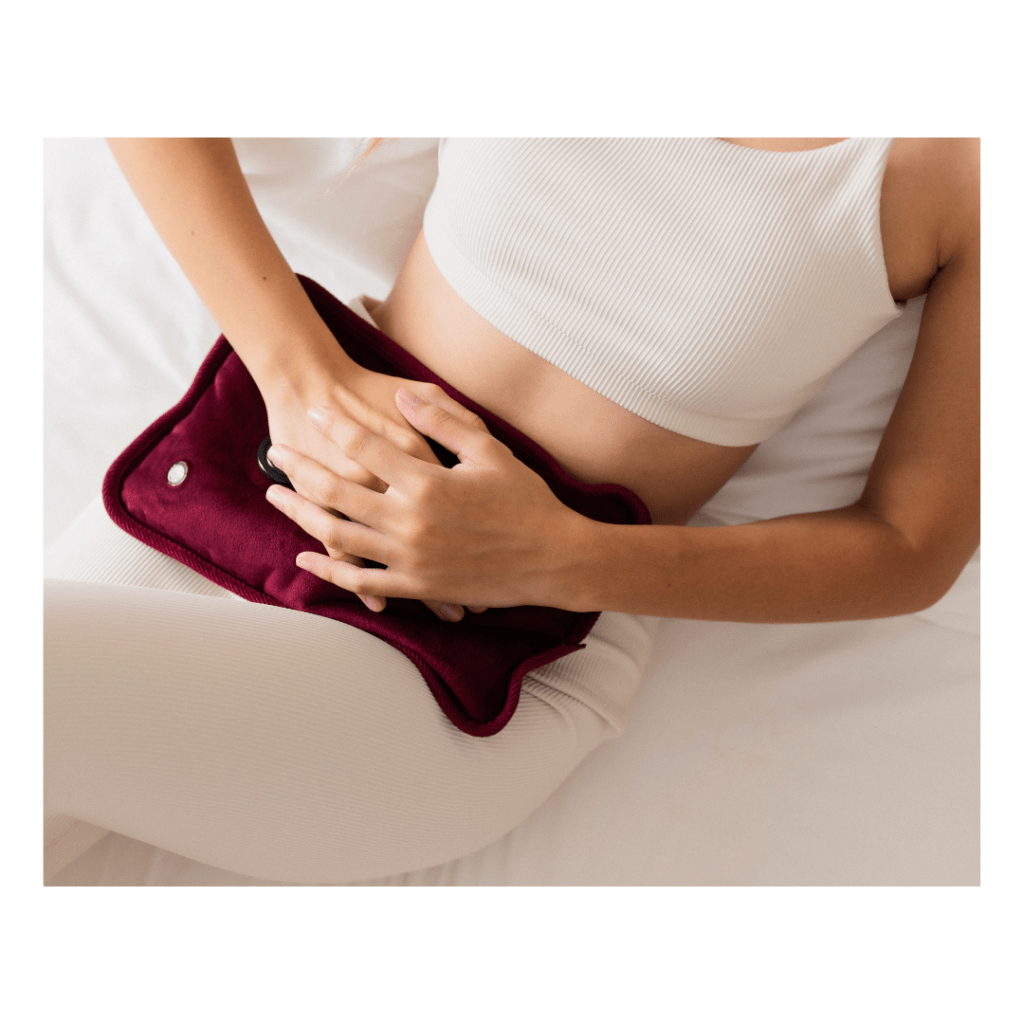
- Seek relief in what works for you. Do what makes you feel (somewhat) better, be that laying down in your comfiest, loosest clothing with a heat pack and raspberry leaf tea, or having a hot bath with Epsom salts. You will be the only one who will know what gives you (some) relief. Here at pip, some things that work for us during endo flares are: loose sweatpants (no underwear – they can hurt during flares!); one heat pack on the low back, another on the pelvis; raspberry leaf tea (mixed with peppermint if the flare includes a headache); cramp cream on literally every part of the body; and drinking lots of fresh, cold water.
- It’s ok to not be ok. We at pip are the first to say that some days, especially during intense flares, nothing we do will make us feel any better. There are days we want to do nothing but lay down and cry. It’s ok to not be ok: endometriosis is a terrible disease, a chronic illness that can severely impact every aspect of your body and life. No one should ever expect you to be ok with your endo diagnosis and pain, and if they are, they aren’t the right people for you. However, if you are feeling overwhelmed by your endo, there are always people to talk to. If it’s accessible to you, speaking to a counselor or therapist could be a helpful option. There are also endo support groups for people living with endometriosis. If you live in Canada, you can attend the Endometriosis Network’s various support groups.
- Seek out integrative health therapies that work for you. We recognize that healthcare and wellbeing, be it through a medical doctor or a guided hot yoga class, comes with privilege not available to everyone. Whether you live in a country with free healthcare or not, have insurance coverage for integrative medicines or would have to pay out of pocket, or can easily access a gym or yoga studio or would only be able to do exercise at home, there are things you can do in the integrative health realm. If attending an integrative health clinic is available to you, consider seeing an acupuncturist, osteopath, or pelvic floor therapist. If it isn’t, try doing small movements at home to assist your needs, such as simple stretching to strengthen the pelvic floor and increase blood flow. If becoming a member at a yoga studio is available to you, try some gentle flow classes with warm heating and slow, restorative paces. You can also attend yoga classes at your local gym, or do a slow flow at home for no cost, either by following a Youtube video of a slow flow, or doing simple poses on your own, such as cat-cow, happy baby, and figure four (for more on this, check out our Blog Post all about yoga for chronic illness).
Whether you have been living with your endo diagnosis for 10 years, are newly diagnosed, or seek a diagnosis, know that you are not alone – even if it sometimes may feel that way. 1 in 10 menstruators have endometriosis, and while that means there are so many other women who understand what you are going through, it does not ever take away or diminish your pain and your feelings. Your pain is valid, as is your right to adequate medical help. That’s why pip was created: to advocate for every 1 in 10 out there and ensure the remaining 9 are educated on what endo really is.
References: www.mayoclinic.org | www.hopkinsmedicine.org | www.endometriosisnetwork.com
Periods in Pain does not constitute medical advice or diagnosis of any kind. If you or a loved one are experiencing period and/or cycle pain, please consult a doctor.


2 responses to “Resource: What’s Endometriosis?”
[…] So many of us with endometriosis experience painful sex. And we aren’t talking discomfort: we’re talking very real pain during and after intercourse. Click here to read the pip blog post all about endometriosis […]
LikeLike
[…] are found lining the inside of the uterus. In endometriosis (see our post all about endometriosis here), this uterine lining grows outside of the uterus, and when this tissue attaches to the ovary […]
LikeLike